
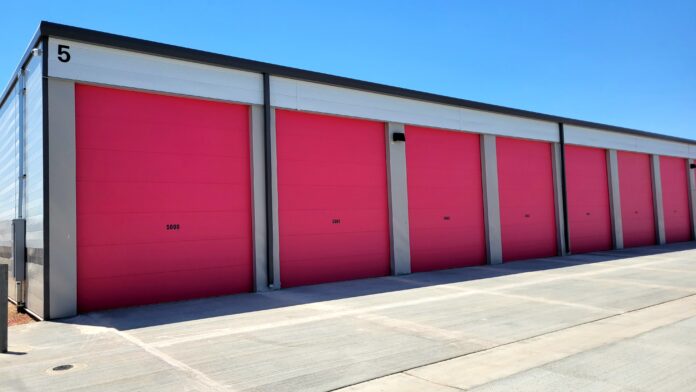

Mechanical problems often become harder to spot after an RV sits unused for several weeks or months. A careful inspection before parking can reveal leaks, weak batteries, worn belts, tire damage, and other issues that may worsen during inactivity. Owners who prepare each system before using RV storage can reduce surprise repairs when travel season returns.
.jpg)
Start With a Complete Fluid Inspection
Engine oil, coolant, brake fluid, transmission fluid, power steering fluid, and generator oil should be checked before the vehicle enters storage. Low levels may point to leaks, while dark or contaminated fluids can signal that maintenance is already overdue.
Fresh oil may be appropriate before a long storage period because used lubricant can contain moisture, fuel residue, and combustion byproducts. Manufacturer schedules should guide each service decision rather than mileage alone. Any visible drip beneath the engine, transmission, axle, or generator deserves attention before the RV is parked.
Test the Battery and Charging System
Batteries can lose charge while an RV remains inactive, even when most appliances are turned off. Parasitic loads from alarms, clocks, control boards, and monitoring systems may slowly drain both house and chassis batteries.
Voltage testing can reveal a weak battery before storage begins. Terminals should remain clean, tight, and free from corrosion, while fluid levels in serviceable batteries need inspection. A compatible maintainer may help preserve the charge if electrical access is available and the facility permits its use.
Inspect Tires Beyond Basic Air Pressure
Tire pressure should match the vehicle manufacturer’s recommendations while the tires are cold. Underinflation increases sidewall flex and may make flat spotting more noticeable during long periods of parking.
Sidewalls require a close look for cracks, bulges, cuts, and signs of weathering. Valve stems, extensions, and tire-monitoring sensors also need inspection because a small leak can leave a tire severely underinflated by pickup day. Spare tires should receive the same attention as those carrying the RV.
Check Belts, Hoses, and Rubber Components
Rubber parts may weaken from age even when the vehicle has low mileage. Drive belts can develop glazing, frayed edges, missing ribs, or small cracks that become more serious after months without movement.
Cooling hoses should feel firm without being brittle, swollen, or unusually soft. Clamps need to remain secure around each connection, and wet residue may indicate a slow coolant leak. Wiper blades, suspension bushings, seals, and generator fuel lines can also deteriorate while the RV sits in storage.
Look for Brake Wear and Fluid Leaks
Brakes need more than a quick pedal check before long-term parking. Pads, rotors, drums, calipers, hoses, and hydraulic connections should show no signs of heavy wear, corrosion, or fluid seepage.
Parking brakes can sometimes stick after extended use, particularly in humid conditions. Owners should follow the RV manufacturer’s storage instructions and use approved wheel chocks where allowed. Unusual pulling, grinding, vibration, or a soft pedal should be inspected before the vehicle enters RV storage units.
Prepare the Fuel System for Inactivity
Fuel can lose quality during long storage periods, especially when exposed to air and moisture. Gasoline-powered motorhomes and generators may benefit from an approved fuel stabilizer when the manufacturer recommends one.
Diesel systems require attention to water contamination, filters, and tank condition. Filling the tank may reduce condensation in certain vehicles, though storage guidance varies by fuel type and model. Running treated fuel through the engine and generator helps distribute it through the system before shutdown.
Exercise and Service the Generator
Generators often develop problems when fuel sits in carburetors, lines, or injectors for extended periods. Testing the unit under load before storage confirms that it starts, runs smoothly, and produces power correctly.
Oil level, air filters, coolant, belts, and exhaust components should be reviewed according to the service manual. Strange sounds, smoke, fuel odors, or unstable output deserve repair before parking. Exercise schedules during storage should follow manufacturer guidance and facility rules.
Examine the Cooling System Closely
Coolant protects the engine from overheating, freezing, and internal corrosion. Its strength and condition should be tested before the RV remains parked through major seasonal changes.
Radiator caps, reservoirs, hoses, and fittings must remain free from cracks or leaks. Debris caught around the radiator or cooling fins can reduce airflow later. Correct coolant type matters because mixing incompatible formulas may cause deposits or damage inside the system.
Inspect the Suspension and Steering
Suspension parts carry the RV’s weight throughout the storage period. Springs, air bags, shocks, ball joints, tie rods, and wheel bearings should show no obvious wear, looseness, or leakage. Uneven ride height may reveal a weak spring, low air pressure, or overloaded side. Steering play, clunking, or poor alignment can make entry into tight RV storage units more difficult. Repairing these issues early also protects tires from irregular wear.
Verify That Slides and Leveling Systems Work
Slide-outs should move smoothly without grinding, hesitation, or uneven travel. Seals need cleaning and inspection because tears or hardened sections can allow dust, moisture, or pests inside the RV. Leveling jacks require checks for hydraulic leaks, damaged pads, and slow retraction. Fully retracting slides, awnings, steps, and jacks before storage reduces the chance of mechanical strain. Owners should avoid using leveling equipment as long-term support unless the manufacturer specifically allows it.
Record the RV’s Condition Before Parking
A written checklist creates a clear record of fluid levels, pressure readings, battery voltage, mileage, and completed maintenance. Photos can document tire condition, body panels, engine areas, and the final parked position. Storage Partner has secure RV storage for motorhomes, travel trailers, fifth wheels, and other recreational vehicles. Customers can review space dimensions and access features, then finish essential mechanical checks before parking to help keep the RV ready for future travel.